
Article Directory
Generated Title: Exro's Stellantis Dream Implodes: From Supplier of the Year to Chapter 7
The automotive world is a brutal landscape, littered with the carcasses of companies that couldn't keep up. The recent bankruptcy filing of Exro Technologies, once a promising partner with Stellantis (the parent company of Chrysler, Dodge, and Jeep—or CDJR), serves as a stark reminder. The company, which was even in the running for Stellantis' Supplier of the Year in 2024, has now filed for Chapter 7 liquidation. So, what went wrong?
The Rise and Rapid Fall
Exro's core offering was a coil driver designed to improve the efficiency and performance of electric cars. Stellantis, eager to electrify its brands, saw potential in Exro's technology. Teresa Thiele, Stellantis’ senior vice president of global purchasing programs, even highlighted Exro's expertise, claiming it helped enhance vehicle designs, cut costs, and improve performance. This nomination for Supplier of the Year wasn't just a pat on the back; it signaled a serious commitment.
But the honeymoon didn't last. Earlier this year, Exro reported a net loss of $78.9 million against revenues of just $2.9 million. That's a revenue-to-loss ratio of roughly 1:27 (to be precise, 1:27.2), a financial chasm that few companies can bridge. By September, layoffs began, and CEO Sue Ozdemir resigned. A $30 million funding commitment proved to be a band-aid on a gaping wound, and Exro ultimately decided to shutter its US operations and file for bankruptcy. What happened to the projected cost savings and performance improvements? Were the initial projections overly optimistic, or did market conditions shift dramatically?
The bankruptcy filing, crucially, only affects Exro's US business; its Canadian operations remain. This raises a crucial question: Was the US expansion premature, or were there specific challenges within the American market that Exro couldn't overcome? It's difficult to say without more granular data on their US-specific expenses and revenue.
Carvana's Curious CDJR Acquisition Spree
In a bizarre twist, Carvana, the online used-car retailer, has been quietly acquiring Chrysler-Dodge-Jeep-Ram dealerships. They picked up one in Arizona earlier this year and recently added a second in Texas. Carvana describes this as "a small test in a single market," but the move is perplexing. Why is a company known for online used-car sales suddenly interested in brick-and-mortar new-car dealerships, specifically CDJR franchises?
One theory is that Carvana is hedging its bets against potential regulatory crackdowns on online-only car sales. Carvana has faced legal troubles in the past, including losing its dealer license in Michigan due to paperwork issues. A physical presence provides a fallback option.
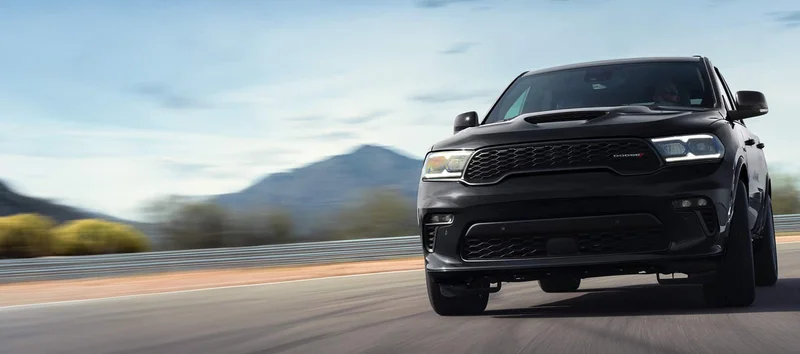
Another, perhaps more cynical, view is that these CDJR dealerships are simply available. As the Automotive News report suggests, Stellantis dealers might be more willing to sell their franchises given the current market conditions. This brings me to a personal aside: I've been tracking automotive retail trends for years, and this sudden pivot by Carvana feels less like a strategic masterstroke and more like opportunistic bargain hunting.
But let's look at the numbers. Carvana's stock, after a dramatic fall, has seen a surprising rebound. Some analysts have even called it "a grift for the ages." (I'd avoid using such hyperbolic language, but the sentiment is clear.) Is Carvana attempting to reinvent itself as a CDJR chain, or is this a temporary experiment driven by short-term financial considerations? The limited data makes it difficult to definitively say. Carvana Is Slowly Becoming a Chrysler-Dodge-Jeep-Ram Chain for Some Reason
Lindsay Dodge Chrysler Jeep Ram: A Success Story in the Trenches
While Exro and Carvana are facing challenges, some CDJR dealerships are thriving. Nino Sita, the general manager at Lindsay Dodge Chrysler Jeep Ram in Virginia, has steered the dealership to the number one CPO (Certified Pre-Owned) ranking in the region and number seven nationally. He's also boosted new car sales by 196% year-over-year.
Sita credits his success to a "one-team philosophy" and a focus on used car sales. He emphasizes transparency, using video to showcase vehicles and providing customers with clear out-the-door pricing. He also incentivizes salespeople to acquire used cars, paying them up to $600 per vehicle.
Lindsay Dodge Chrysler Jeep Ram's success highlights the importance of localized strategies. Sita emphasizes knowing your market and developing a niche. "If you want to buy a supercharged Hemi, I'm the guy to come to," he says. This localized approach seems to be working, even amidst broader market challenges for Stellantis. But does this localized success translate to a broader, systemic advantage for the CDJR brand, or is it simply a case of exceptional management at a single dealership? How GM Nino Sita turned Lindsay Dodge Chrysler Jeep Ram into a CPO powerhouse
A Collision Course of Ambition and Reality
Exro's story is a cautionary tale of a technology company that overreached. The promise of revolutionizing electric car efficiency wasn't enough to overcome financial realities. Carvana's CDJR acquisitions are a puzzling gambit, potentially driven by regulatory concerns or opportunistic deal-making. And Lindsay Dodge Chrysler Jeep Ram's success demonstrates that even within a challenging market, strong leadership and localized strategies can yield impressive results. The automotive industry, it seems, is a constant collision course of ambition and reality.
Data Doesn't Lie: The Market Decides
The data is clear: Exro's financial model was unsustainable, and the market has spoken. This wasn't a failure of technology, but a failure of execution. As for Carvana, time will tell if their CDJR experiment is a stroke of genius or a costly distraction. Either way, the numbers will eventually reveal the truth.